
Digital advertising is a multi-billion-dollar industry, but a significant portion of that spending is wasted due to digital ad fraud. Fraudsters manipulate ad platforms using fake clicks, bot traffic, and deceptive tactics to steal revenue from advertisers.
Advertisers worldwide lose over $100 billion annually to ad fraud, making it one of the most pressing issues in digital marketing. This not only wastes ad budgets but also distorts campaign performance metrics, making it difficult for businesses to measure real engagement.
In this article, we’ll explore:
By the end of this guide, you’ll understand how to protect your ad spend, improve campaign accuracy, and ensure your marketing budget is being used effectively.

Digital ad fraud refers to fraudulent tactics used to manipulate online advertising metrics and generate revenue for bad actors. It includes fake clicks, artificially inflated impressions, and fraudulent conversions that make advertisers believe their ads are performing better than they actually are.
As digital ad networks become more sophisticated, so do fraudsters. With automated ad platforms and programmatic advertising, detecting fraud is becoming increasingly difficult. Fraudsters use bots, fake websites, and deceptive tracking methods to steal ad revenue, making it harder for businesses to reach genuine customers.

Fraudsters use automated bots and click farms to generate fake clicks on pay-per-click (PPC) ads. This rapidly depletes an advertiser’s budget without generating any real customer engagement.
Impression fraud occurs when ad views are artificially inflated without actual human engagement. This can happen through hidden iframes, pixel stuffing, or non-viewable ad placements, giving advertisers misleading performance data.

Bots simulate human behavior, creating fake clicks, views, and even form submissions. These automated programs are designed to bypass standard fraud detection systems, making them a major challenge for advertisers.
Fraudsters create fake websites and publishers that attract ad placements from automated systems. These sites generate fake traffic, leading to advertisers paying for low-quality or nonexistent audiences.
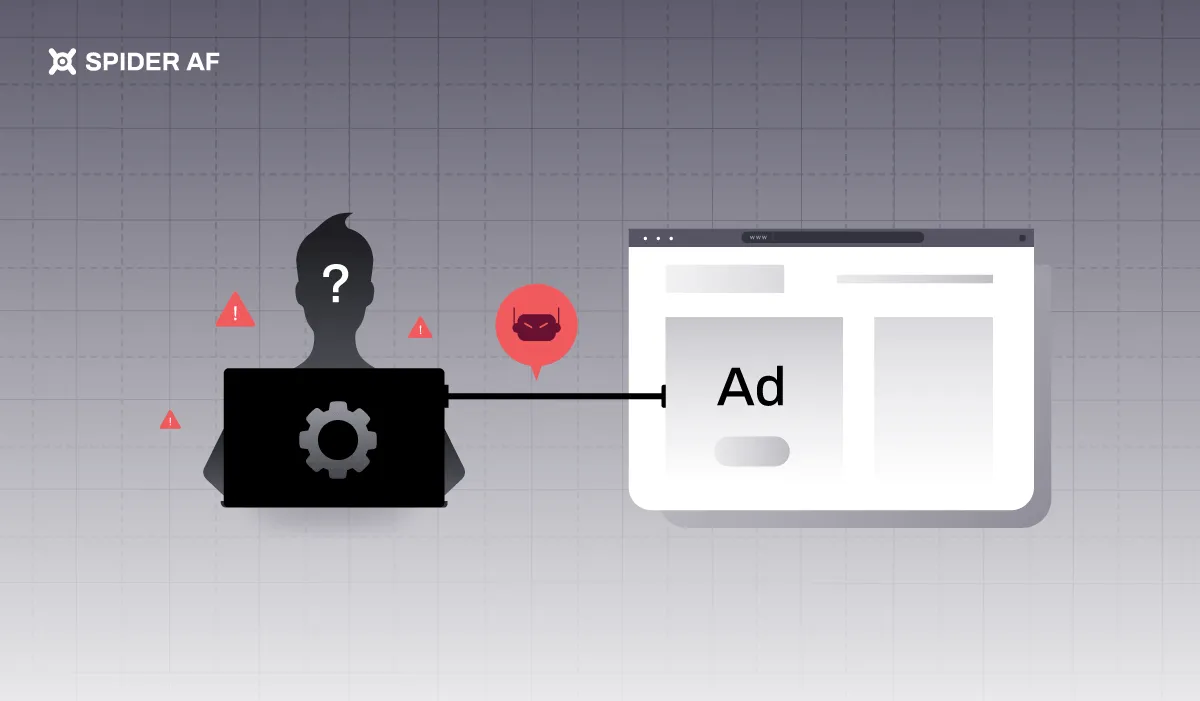
Every fraudulent click or impression means advertisers are losing money to non-existent audiences instead of reaching real customers.
Fraud distorts advertising analytics, making it difficult to measure true engagement, leading to poor decision-making and wasted marketing budgets.
Ads appearing on fraudulent or low-quality sites can harm a brand’s credibility and reduce consumer trust.
Many businesses lack the expertise or technology to identify and block fraudulent activities, leaving them vulnerable to ongoing financial losses.

New fraud detection technologies analyze patterns and detect anomalies to flag suspicious activity before it causes damage.
SpiderAF provides comprehensive fraud detection and helps advertisers identify and eliminate fraudulent ad activity. By using pattern analysis and detection mechanisms, it ensures that businesses get the most out of their ad spend.

As detection improves, fraudsters develop new, more sophisticated tactics to evade tracking.
Governments and industry leaders are introducing new regulations and guidelines to improve transparency and fight fraud.
Fraud is an evolving threat—ongoing monitoring and strong fraud prevention strategies are critical to staying ahead.

Ignoring ad fraud results in wasted budgets, misleading data, and lost revenue. Businesses must take active steps to combat it.
Using a dedicated fraud prevention solution is essential to protecting ad spend and ensuring accurate marketing analytics.
To safeguard your ad campaigns, consider integrating SpiderAF into your strategy. Visit SpiderAF’s website to learn how it can help protect your advertising budget from fraud.

Crecimiento de MFA, riesgos de fraude impulsados por IA y cómo los principales anunciantes protegen sus presupuestos. PDF gratuito.


.png)