Most Facebook advertisers are optimizing on dirty data without knowing it—invalid clicks and fake leads silently steer Meta's algorithm toward the wrong audiences. These 15 tips cover the execution fundamentals (Pixel, CAPI, bidding, creative) and the fraud countermeasures that keep your signals clean so the algorithm actually works for you.
If you’re looking for practical tips for Facebook advertising that lower costs, lift conversions, and keep your data clean, you’re in the right place. In 2025, Facebook (Meta) Ads rely more than ever on signal quality and stable learning. That means two levers matter most: 1) strong execution fundamentals (events, creative, budgeting, placements) and 2) airtight ad-fraud countermeasures that stop bad clicks and fake leads from poisoning optimization. According to Spider AF’s 2025 Ad Fraud White Paper, the average ad fraud rate across performance traffic was 5.1% in 2024—meaning a meaningful share of spend still leaks to invalid activity unless you actively block it.
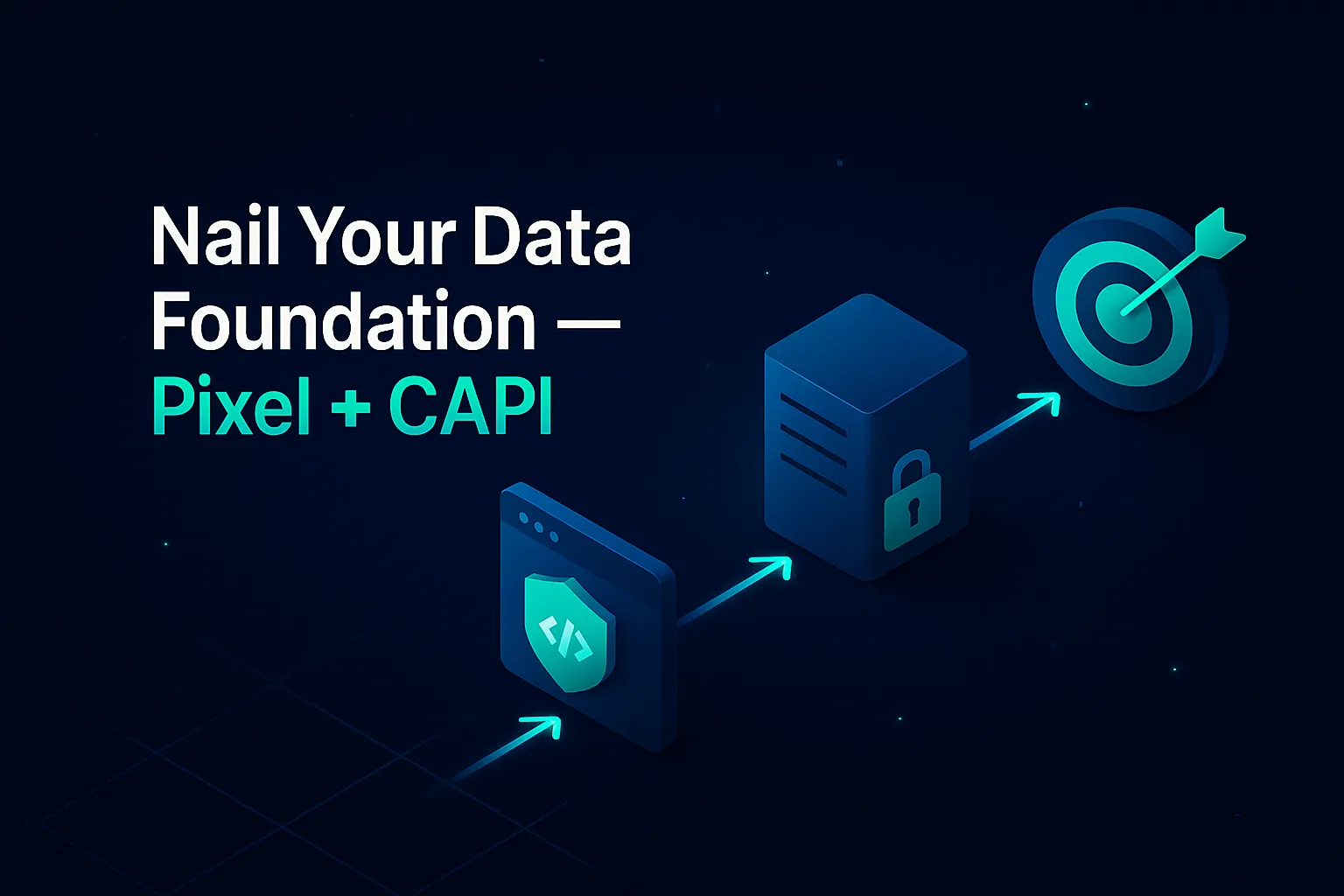
Set up the Meta Pixel and Conversions API (CAPI) together. CAPI creates a direct, server-side connection that can improve optimization and measurement even when browser tracking is limited.
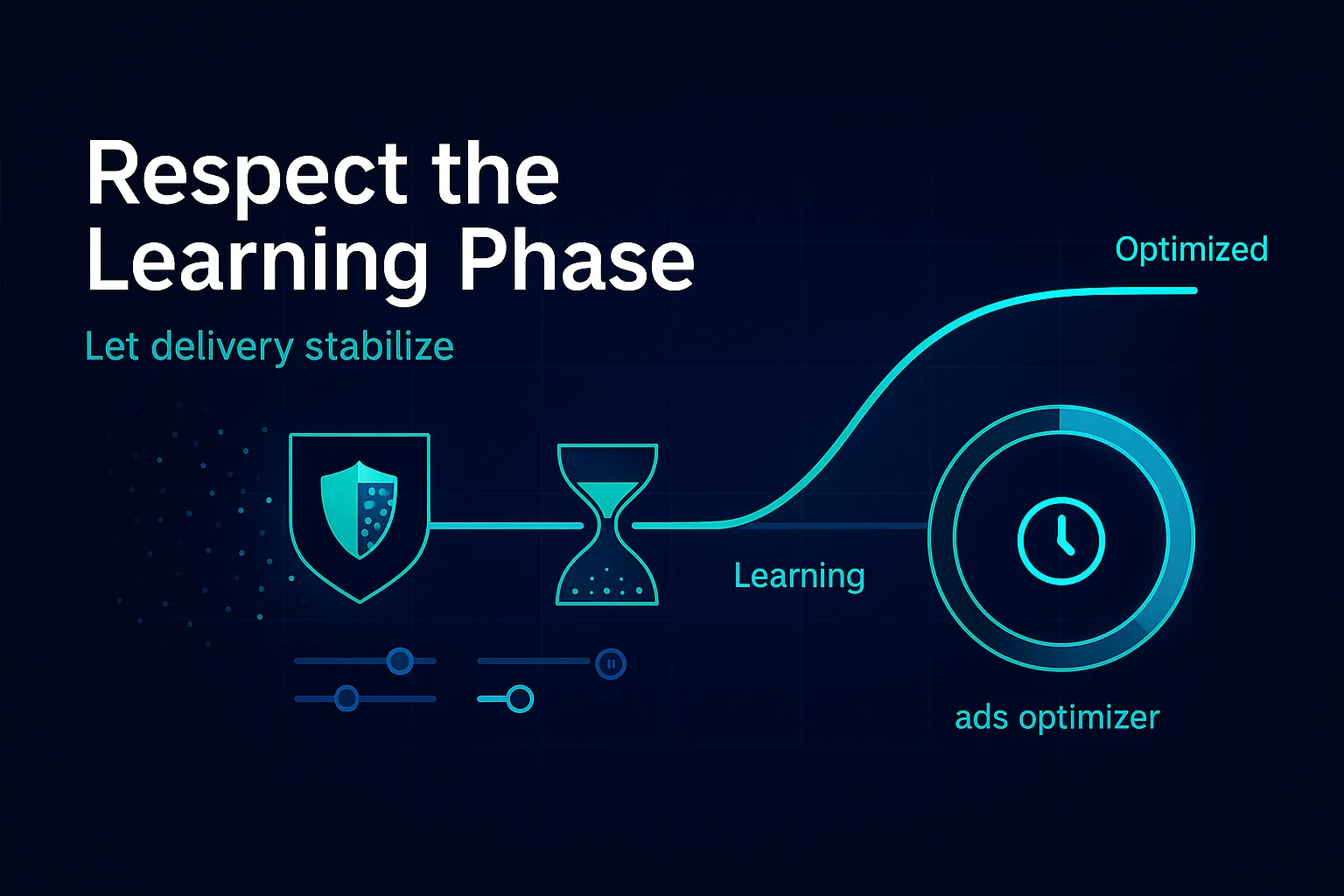
Performance fluctuates while Meta’s delivery system “learns” your ad set. Minimize major edits, avoid splitting budgets too thinly, and let the algorithm accumulate stable signals.
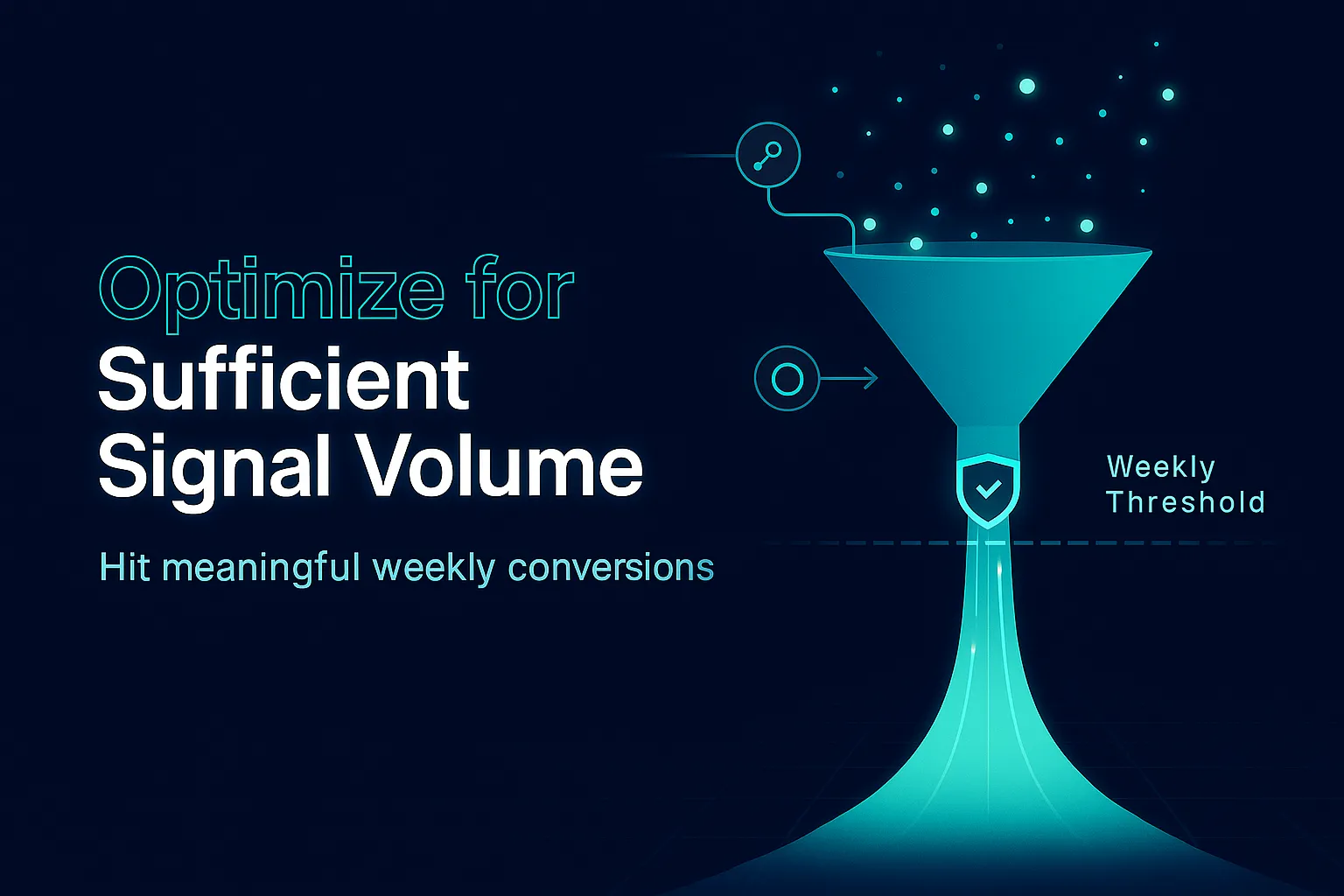
If you can’t hit meaningful weekly conversions at the ad set level, consolidate ad sets or broaden audiences to reach more qualified impressions (and keep learning stable). See Tip #12 on fraud filtering so signals are clean, not just plentiful.

Advantage+ placements expose your ads to more inventory and can reduce costs at similar quality. Start broad, then remove truly underperforming placements only after enough data accrues.

Rotate formats (video, image, carousel), test hooks and offers, and match creative to funnel stage. Fresh, relevant creative increases click quality and helps the system find the right people faster.
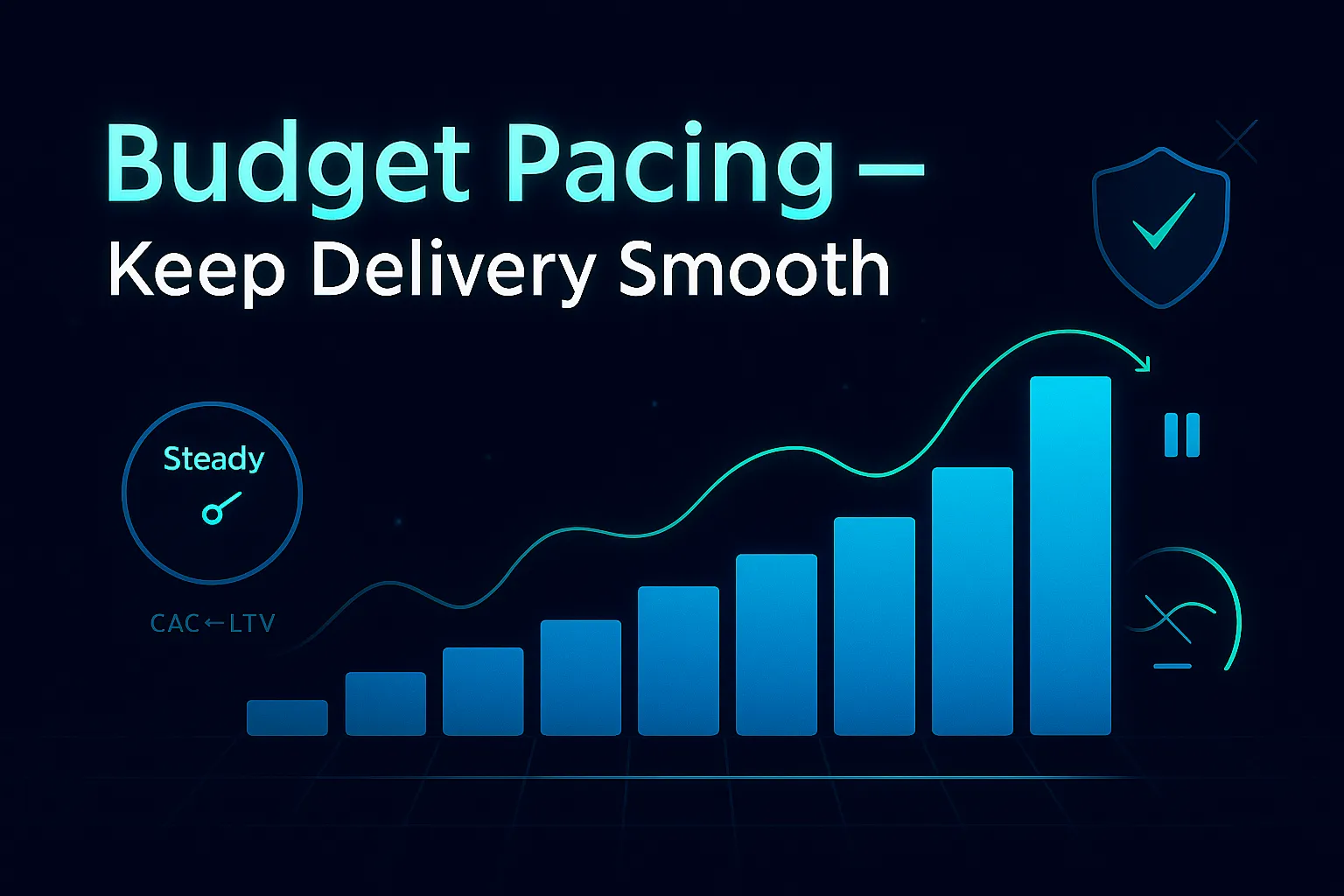
Set daily or lifetime budgets aligned to your CAC/LTV math and conversion volume. Avoid frequent budget shocks that reset learning (see Tip #2).
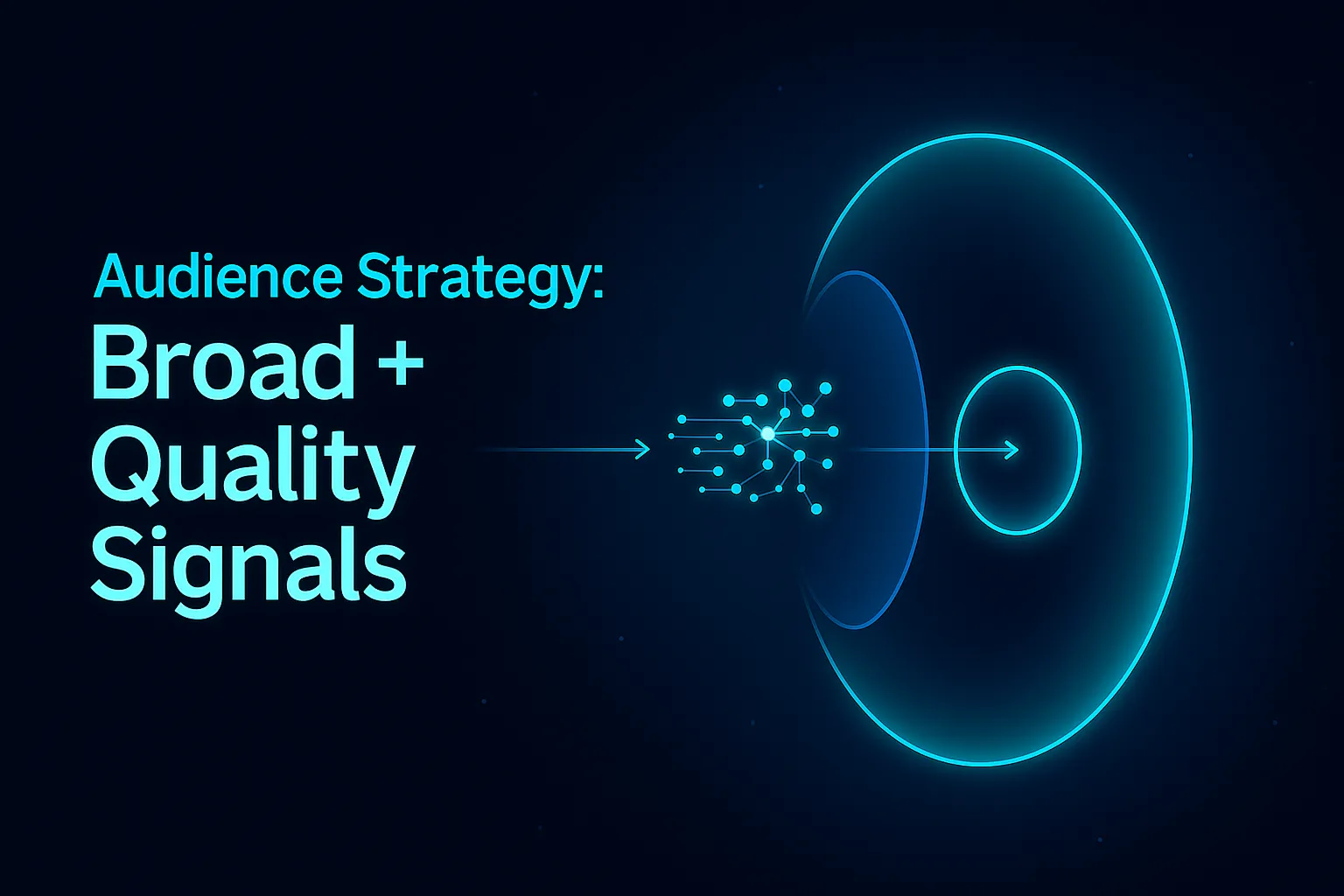
Broad targeting works well when signals are clean. Layer lookalikes sourced from first-party converters (via Pixel + CAPI) for scalable accuracy.
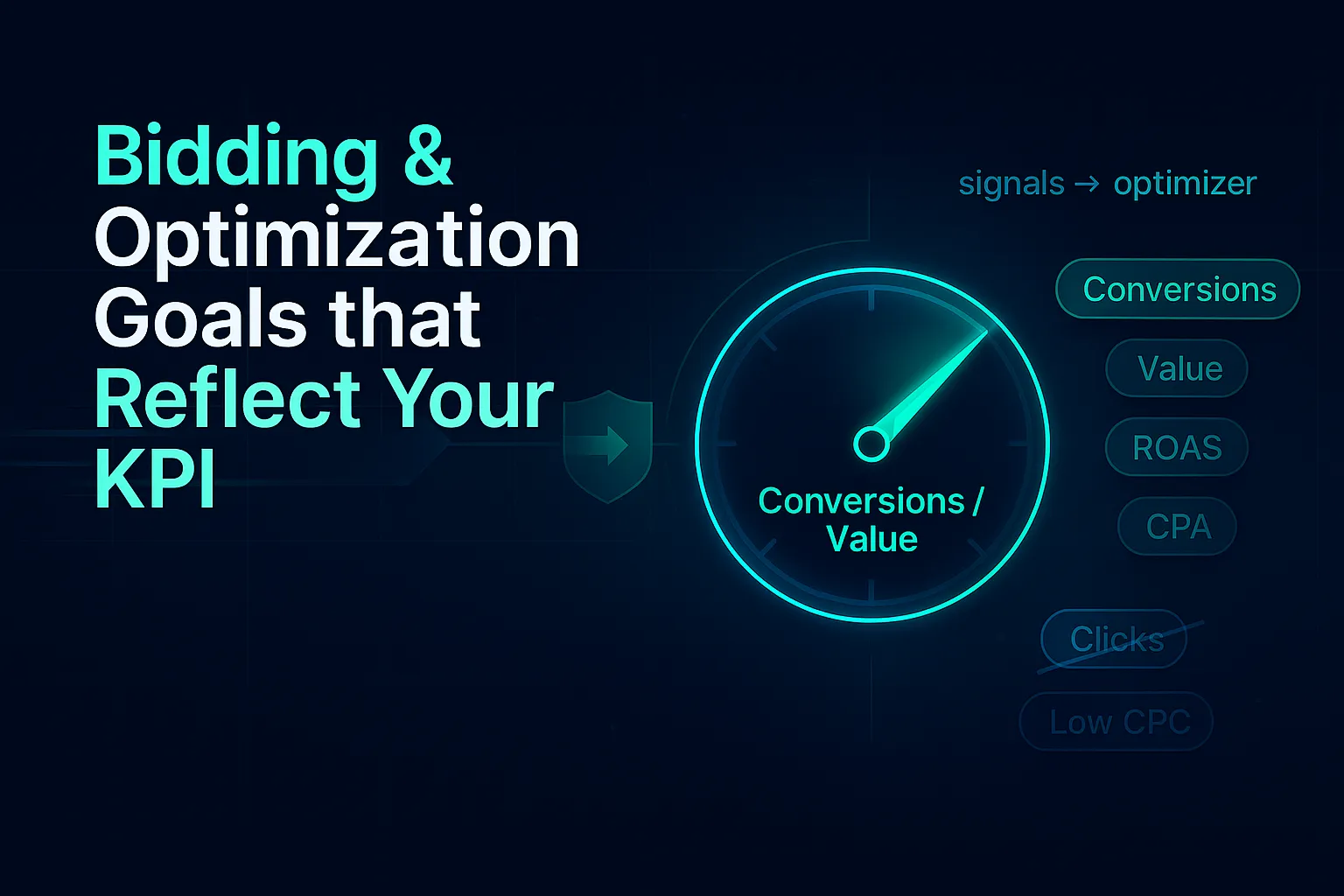
Pick the goal you truly care about (e.g., Maximize conversions). Don’t optimize to proxy metrics that attract cheap but low-intent traffic.

Fast pages and crystal-clear offers improve conversion rate and lower CPA. Use analytics to find drop-off points and fix friction quickly.
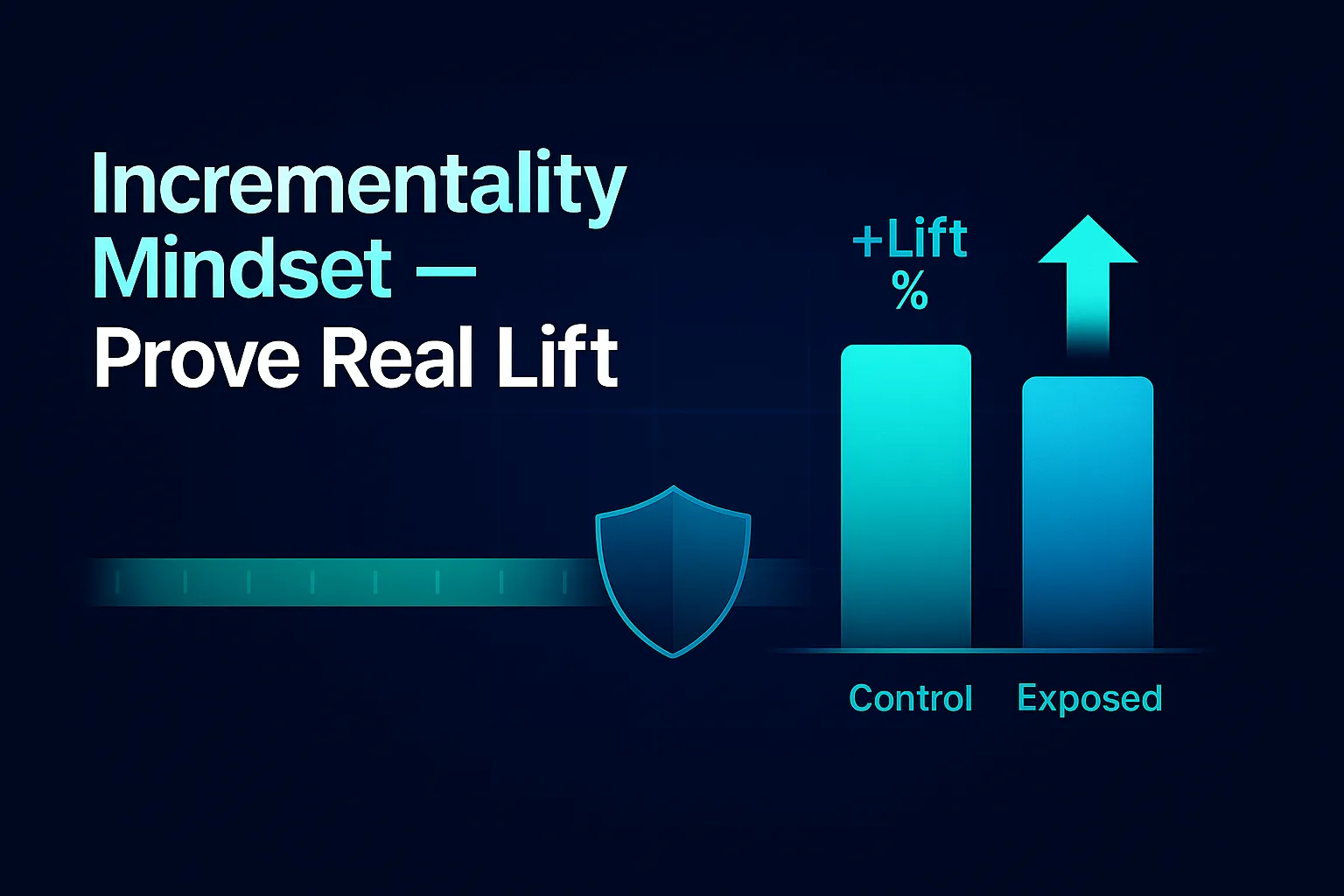
Use holdouts or geo splits periodically to confirm real lift. A clean testing cadence prevents false confidence from noisy data.
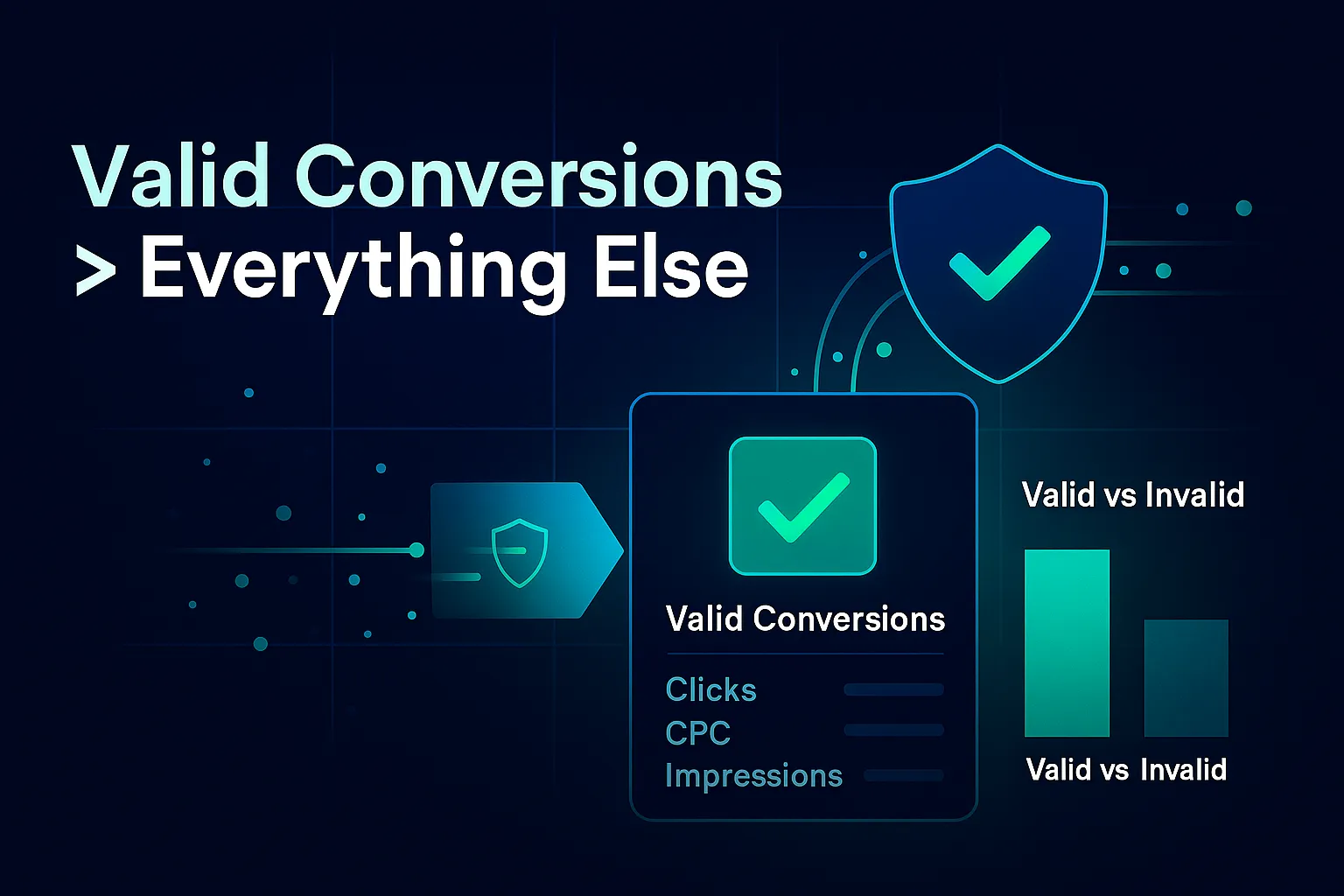
Not all conversions are equal. According to Spider AF’s 2025 Ad Fraud White Paper, valid clicks converted at 2.54% vs. 1.29% for invalid clicks—roughly 2× higher CVR from legitimate traffic. This underscores how removing invalid traffic improves performance quality.
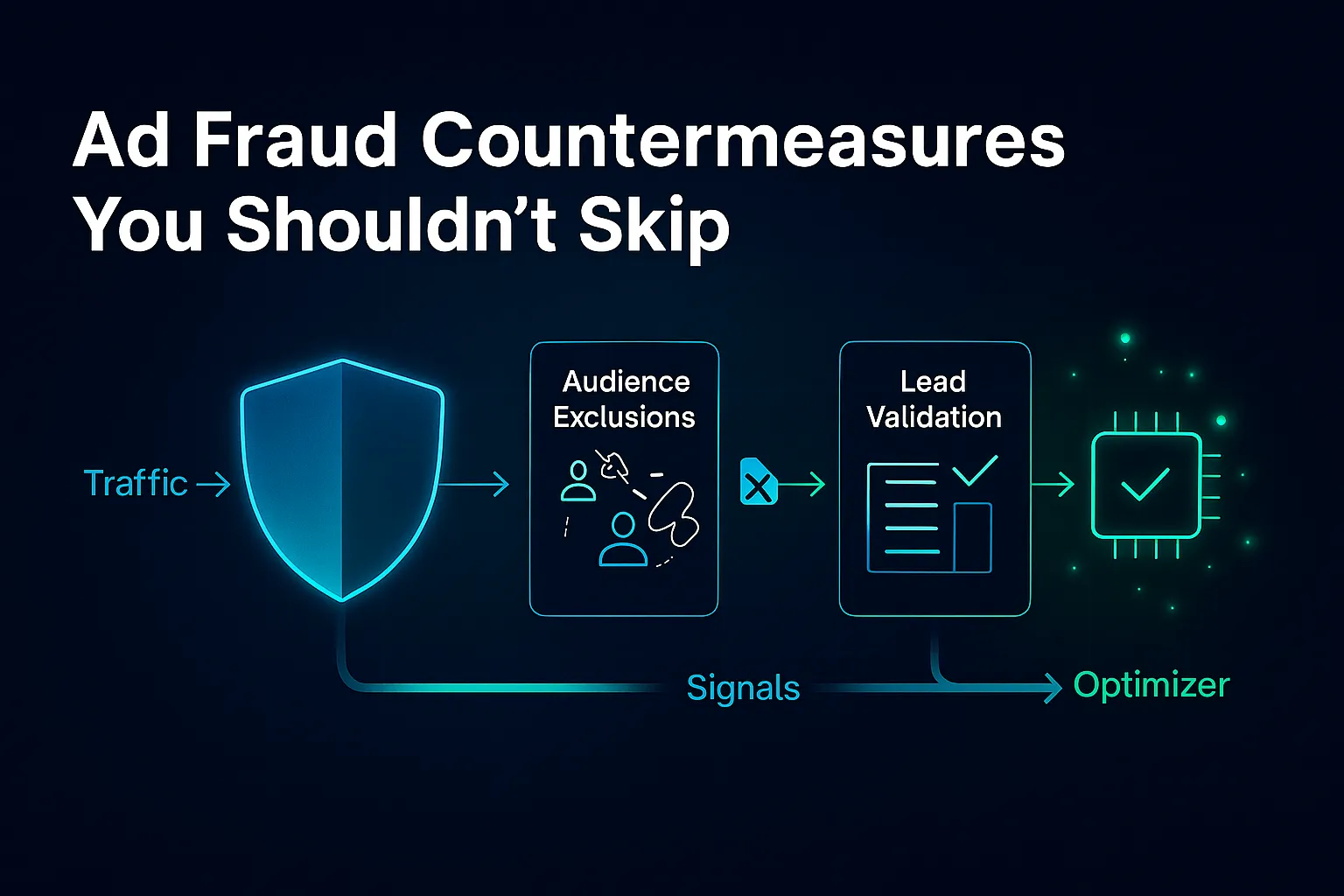
A. Reduce wasted spend with Spider AF PPC Protection (audience exclusions on Meta).
Spider AF detects invalid traffic in real time and auto-updates blocklists to your ad networks. For social networks like Meta, blocking is managed via audience exclusions, which prevents known invalid users from seeing your ads again—so your budget goes to real prospects.
B. Keep machine learning clean with Spider AF Fake Lead Protection (FLP).
Fake leads degrade optimization, steering delivery toward low-quality segments. Spider AF FLP integrates in real time with your forms/CRM to detect and automatically block fraudulent conversions, protecting your signals so Meta’s learning isn’t trained on bad outcomes.
Proof it works: One FLP case recorded ROI +152% and CPC −85% after removing fake leads that had disrupted machine learning—without reducing valid inside-sales conversions.
Why this matters for Meta Ads: Meta’s system depends on conversion feedback. Feeding it invalid clicks or fake leads nudges optimization in the wrong direction. Spider AF prevents that feedback loop so your campaigns scale on quality.
According to Spider AF’s 2025 Ad Fraud White Paper, the average ad fraud rate was 5.1%, and ad fraud countermeasures are effective for acquiring higher-quality leads that truly convert.
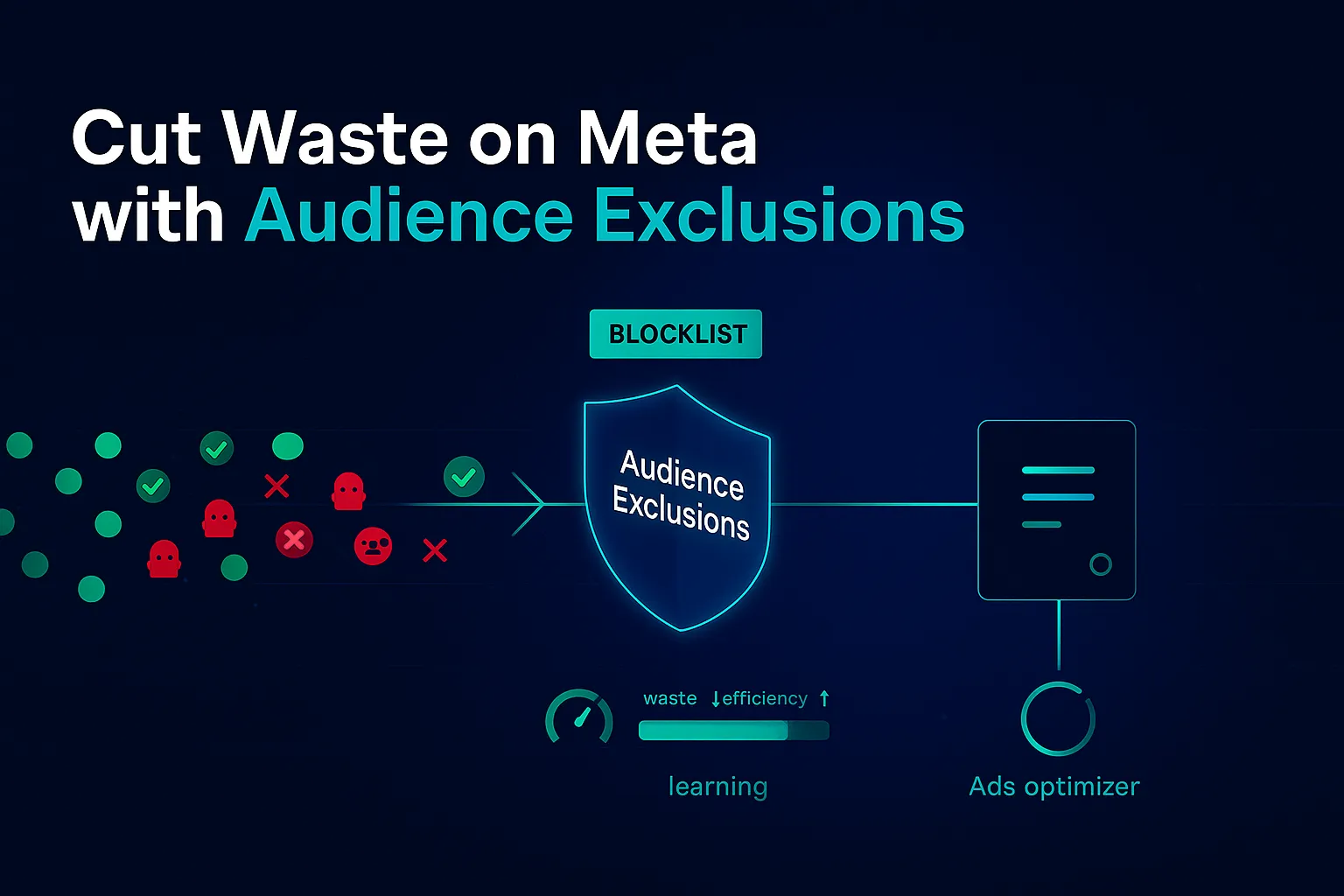
Use Spider AF PPC Protection to automatically exclude users and sources identified as invalid from your Meta excluded audiences. This stops known bad clickers from seeing your ads again, keeping budget focused on real prospects and protecting optimization signals for learning stability.
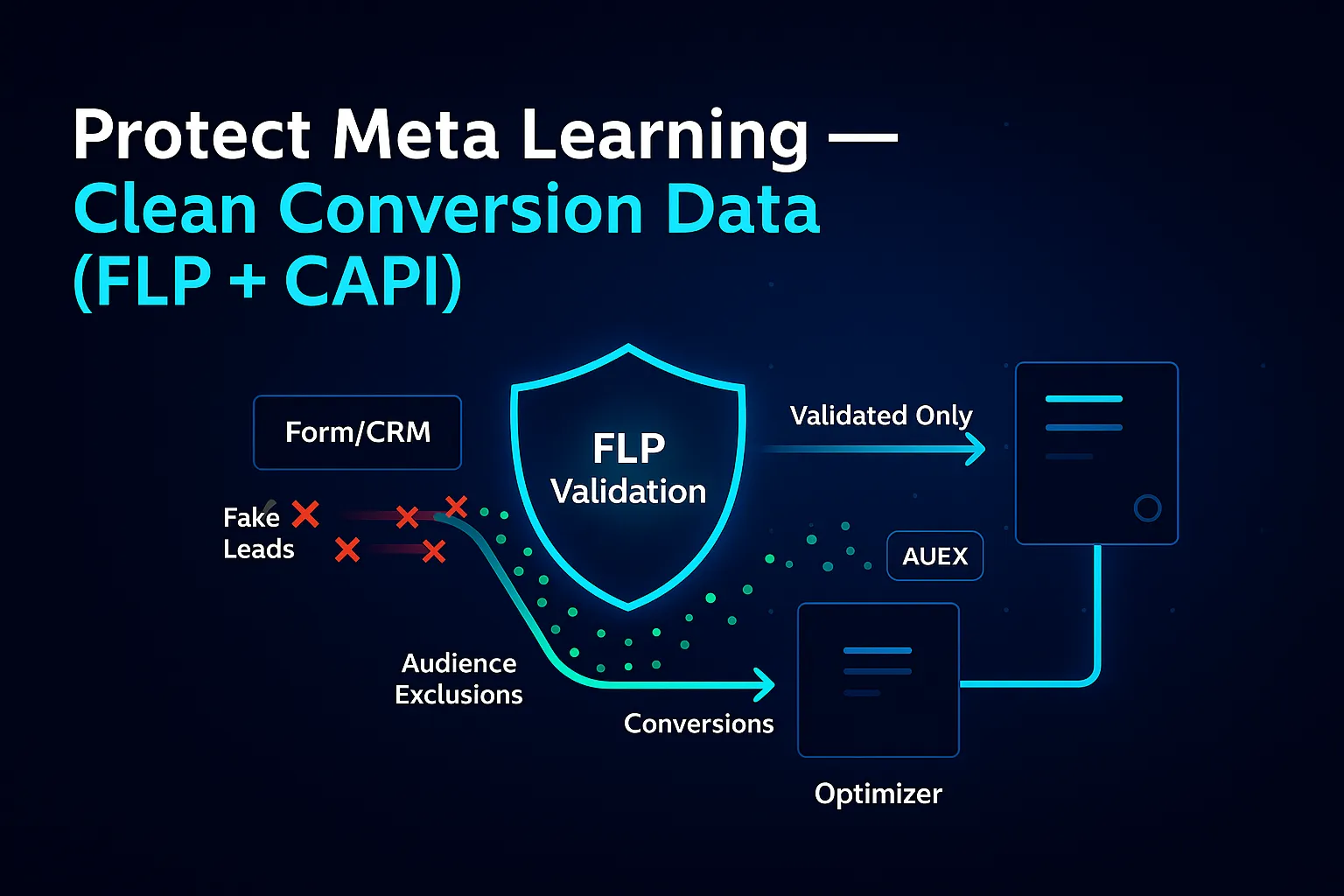
When fake or low-quality conversions creep in, Meta’s optimizer is trained on the wrong signals—driving up CPA and destabilizing delivery. Spider AF Fake Lead Protection (FLP) integrates with your forms/CRM to detect and block fraudulent conversions in real time, keeping the events that power Meta’s learning clean. Pair this with Conversions API (CAPI) so only validated, server-side conversions are sent to Meta.
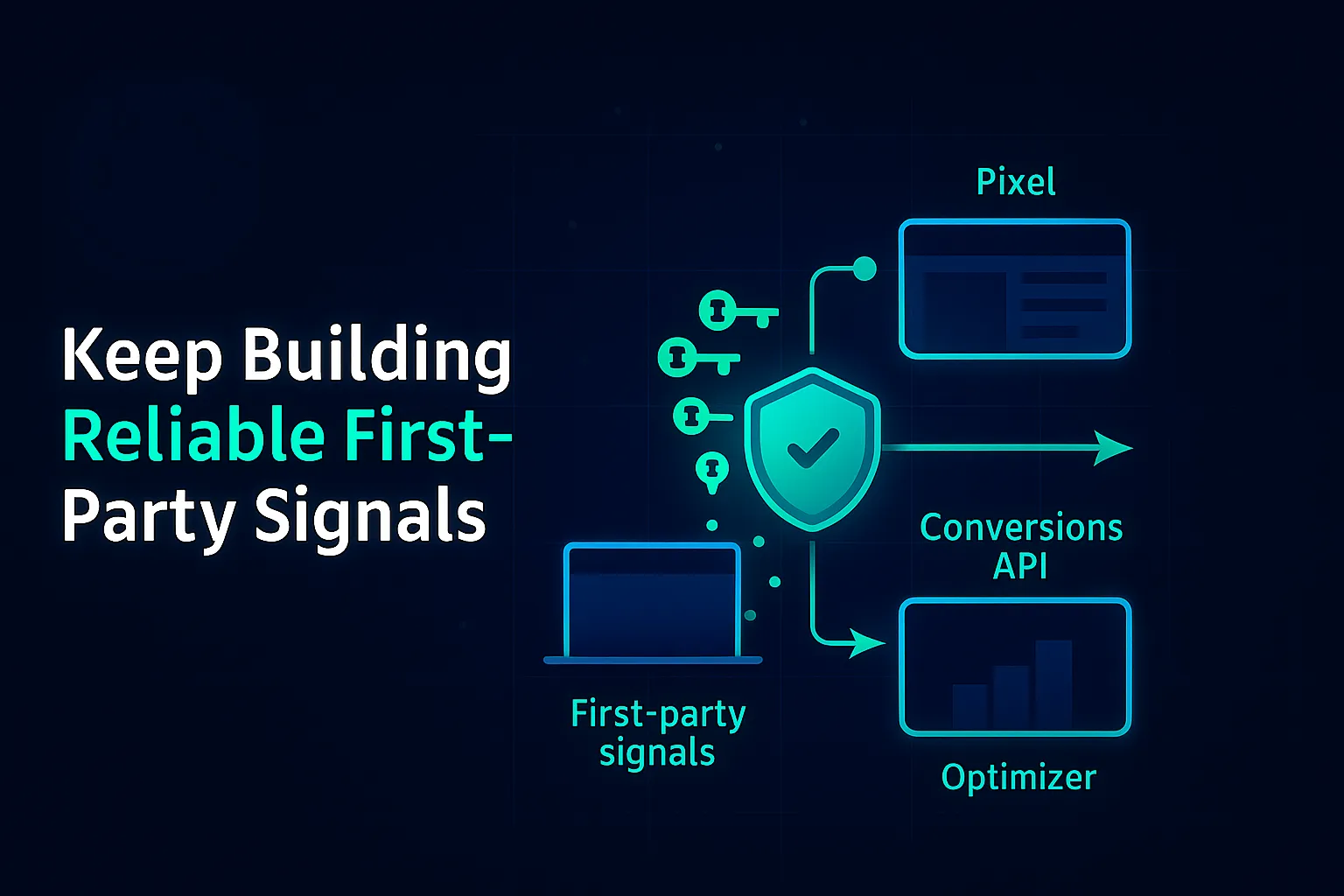
Pair clean traffic (Spider AF) with complete server-side events (CAPI) so Meta can target, optimize, and measure with confidence in a cookie-limited world.
Winning on Facebook in 2025 is a two-part game: run solid, signal-rich campaigns and protect those signals from invalid clicks and fake leads. With Spider AF PPC Protection, you exclude bad audiences on Meta to cut wasted spend; with FLP, you remove fraudulent CVs so machine learning keeps optimizing toward real customers. Combine both with Meta’s CAPI and good creative/testing discipline to scale confidently.
Recommended Spider AF products for this playbook:
According to Spider AF’s 2025 Ad Fraud White Paper, invalid traffic drags down performance and data quality, while valid clicks deliver nearly 2× the CVR—so the payoff from proactive protection compounds over time.

MFA growth, AI-driven fraud risks, and how top advertisers are protecting their budgets. Free PDF!