Seen a sudden spike in clicks with zero lift in conversions? Your competitors might be doing it deliberately — and in high-CPC industries, competitive click fraud is more common than most PPC managers realize. Here's a 30-minute workflow to spot the fingerprints, document the evidence, and shut it down for good.
Competitive click fraud happens when rivals or their agents repeatedly click your ads to drain budget, distort your data, and destabilize your campaigns. If you’ve ever seen a spike in clicks with no matching engagement, strange peaks after hours, or clusters from a single area that doesn’t fit your targeting, you’re seeing the classic fingerprints of competitive click fraud. Google classifies this kind of activity under “invalid traffic,” which includes fraudulent clicking by competing advertisers and other non–genuine interactions; Google attempts to filter these automatically, but some slip through, especially in high‑stakes auctions.
Why does this matter right now? Because the cost of letting bad clicks in is compounding. According to Spider AF’s 2025 Ad Fraud White Paper, the average ad fraud rate measured across performance clicks in 2024 was 5.1%, with some networks peaking at 46.9%. The report estimates global losses at $37.7B and shows that legitimate clicks convert at roughly twice the rate of invalid ones, meaning fraud doesn’t just waste spend—it also poisons your optimization data. When budgets are tight and automated bidding rules are hungry for signals, a few days of competitor clicks can push algorithms toward the wrong audiences and placements.
In this guide, you’ll learn exactly how to recognize competitor‑driven invalid traffic, document it, and shut it down. You’ll also see how Spider AF’s PPC Protection automatically blocks repeat abusers, bad IPs, and low‑quality placements across Google and social platforms to keep your spend focused on real buyers. We’ll use verified data where it counts and give you a fast process you can run every week to stay ahead.

Competitive click fraud is a subset of invalid traffic where competitors manually or programmatically click your PPC ads to increase your costs, exhaust your daily budgets, and skew your performance metrics. Google’s policy describes invalid traffic as interactions that don’t come from genuine user interest; examples include manual clicks meant to increase advertiser costs and automated activity.
Industries with high customer value (finance, telecom, real estate, education) attract more abuse. Spider AF’s 2025 White Paper found ad fraud rates of 14.3% in finance and 11.1% in telecom—over double the average—so teams in these categories should assume higher risk and monitor more aggressively.
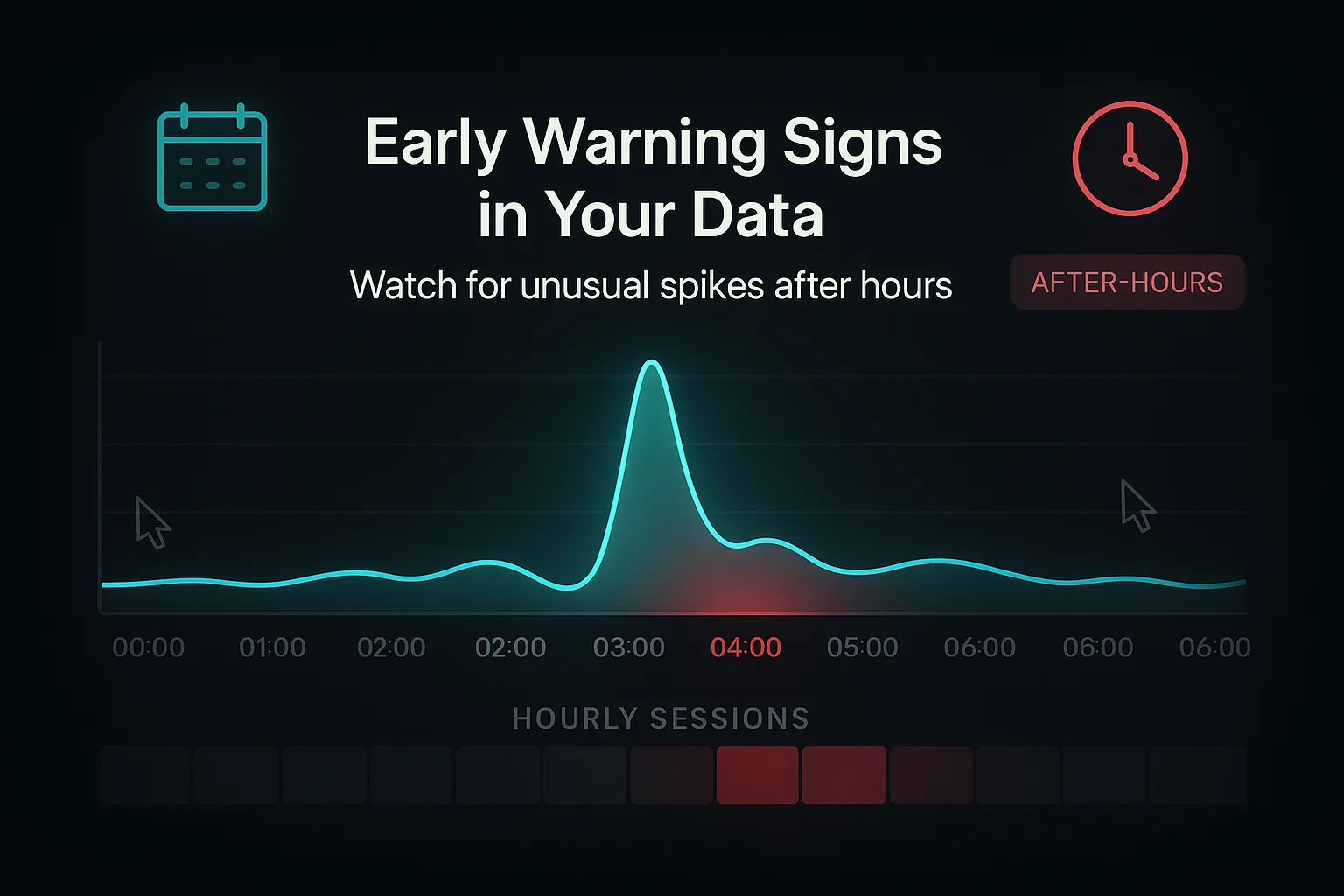
According to Spider AF’s 2024–2025 analysis, invalid clicks convert at about half the rate of valid clicks, so look for sections of traffic where CVR collapses relative to historical baselines.
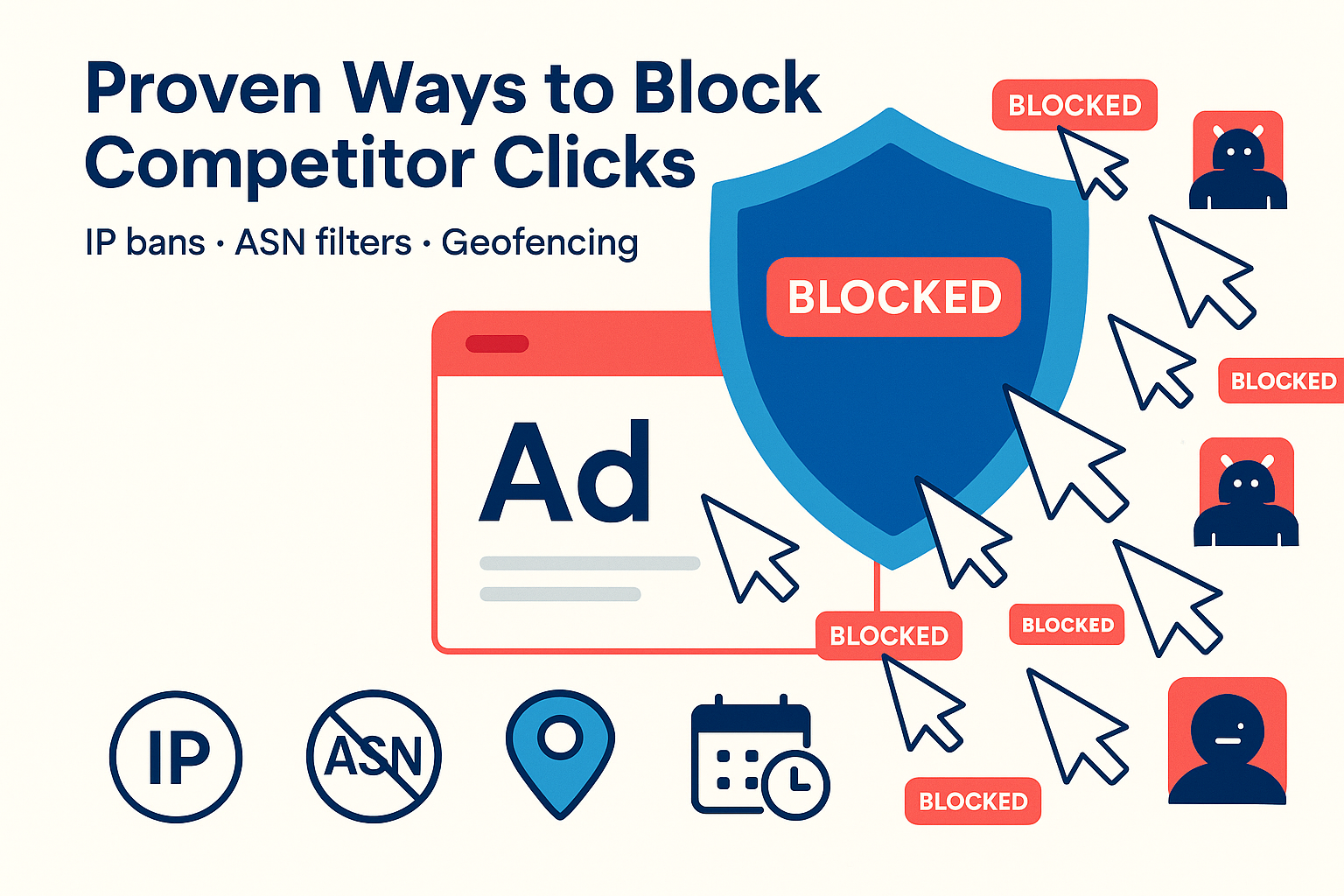
Manual policing is time‑consuming and easy to bypass with VPNs or rotating addresses. Spider AF’s PPC Protection monitors every click via site script, scores risk in real time, and pushes updated blocklists to ad networks hourly. For Google Ads, it uses IP and audience exclusions; for social channels, it uses audience exclusions to prevent repeat exposure. It also surfaces bad placements—MFA, cluttered ad stacks, brand‑unsafe contexts—for one‑click exclusion.
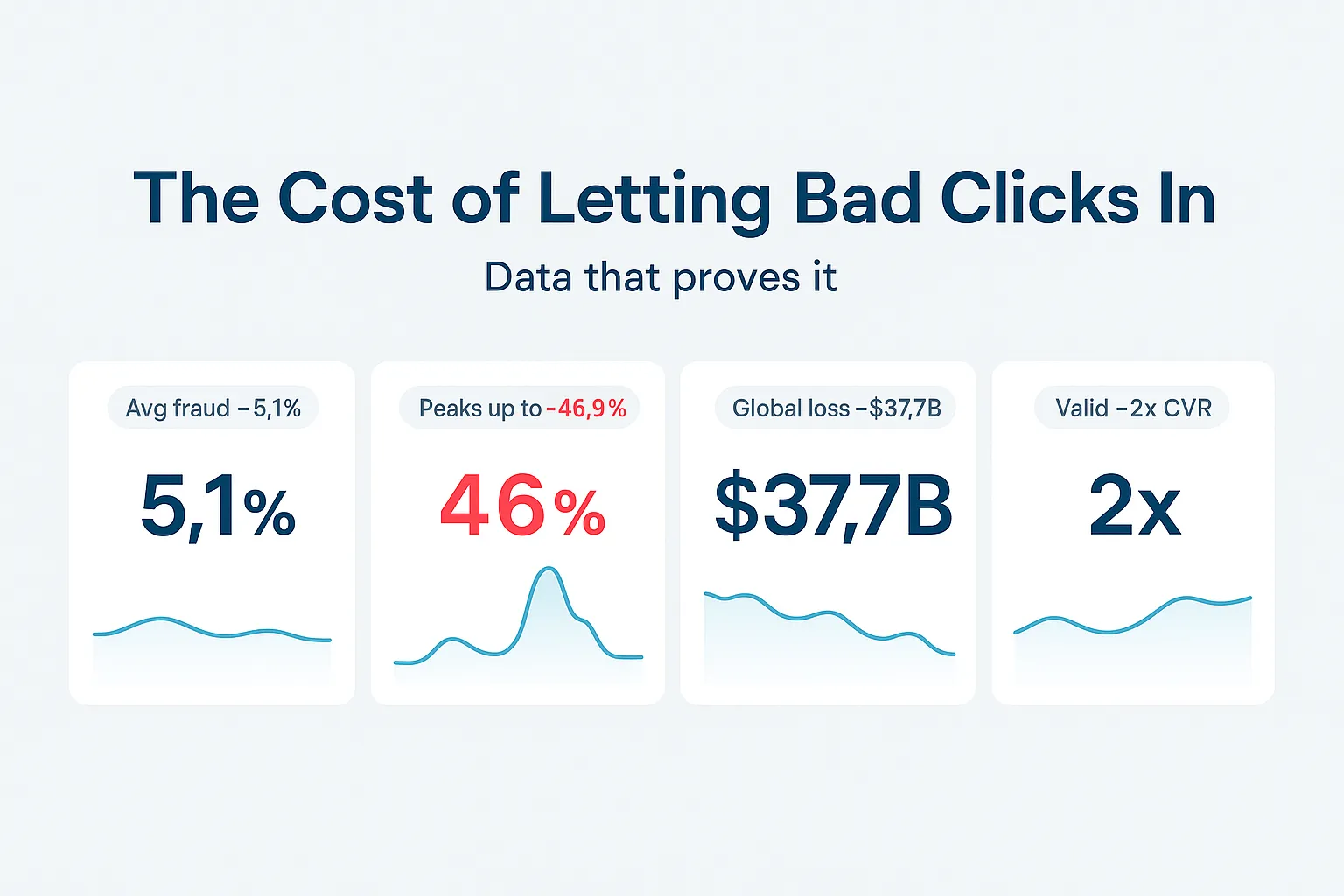
Across 4.15B clicks analyzed, Spider AF found an average 5.1% fraud rate and networks as high as 46.9%. Estimated global losses reached $37.7B. Critically, valid clicks convert ~2x better than invalid ones, so allowing competitor clicks to train your bidding models drives systematic underperformance.
Google policy prohibits fraudulent clicking by competing advertisers; platforms can suspend or disable accounts with high invalid activity.
Google filters many invalid interactions and may issue automatic adjustments; you can also monitor and escalate with evidence.
They help with static offenders, but IP rotation and mobile networks limit coverage. That is why automated audience‑level blocking and placement control are essential.
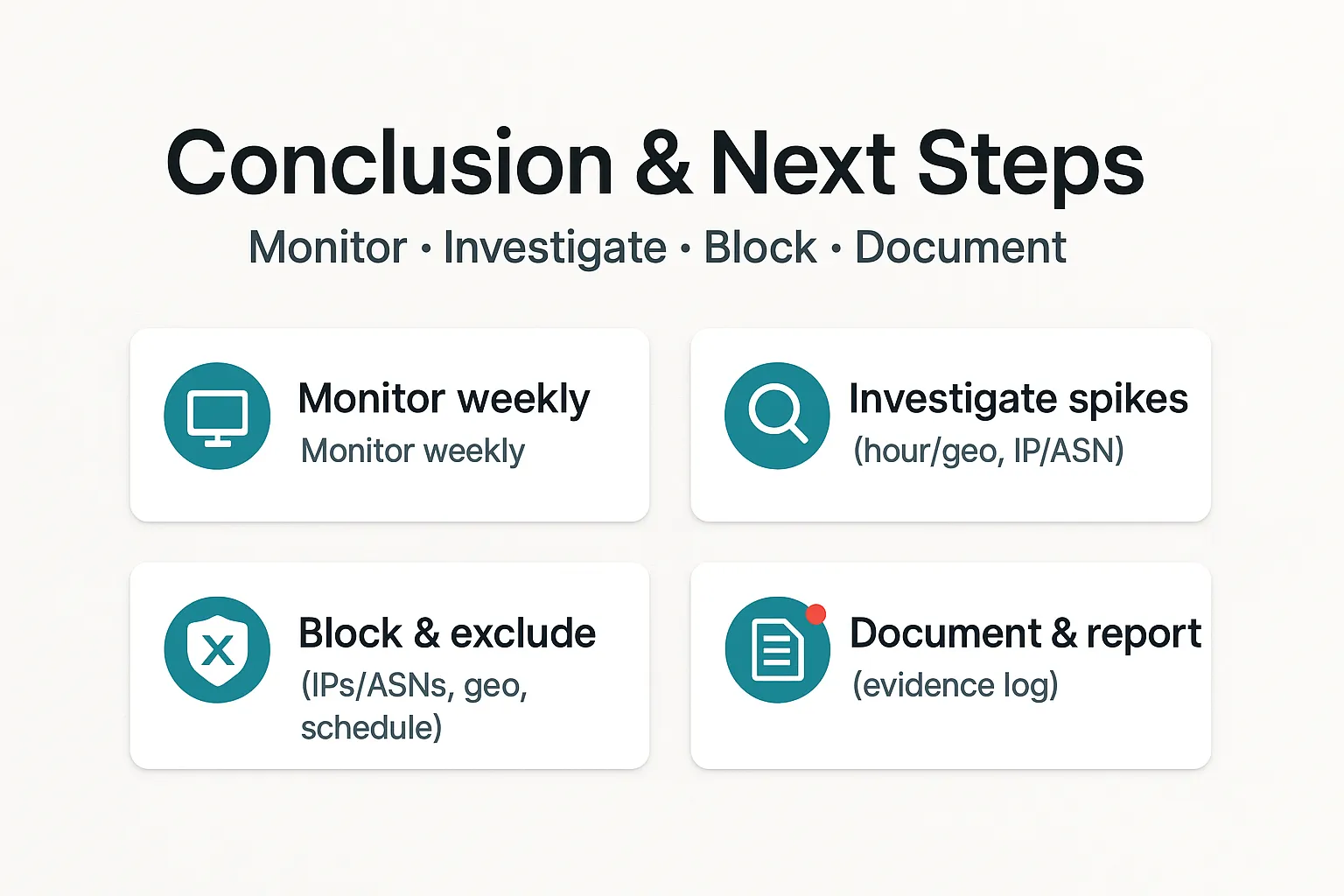
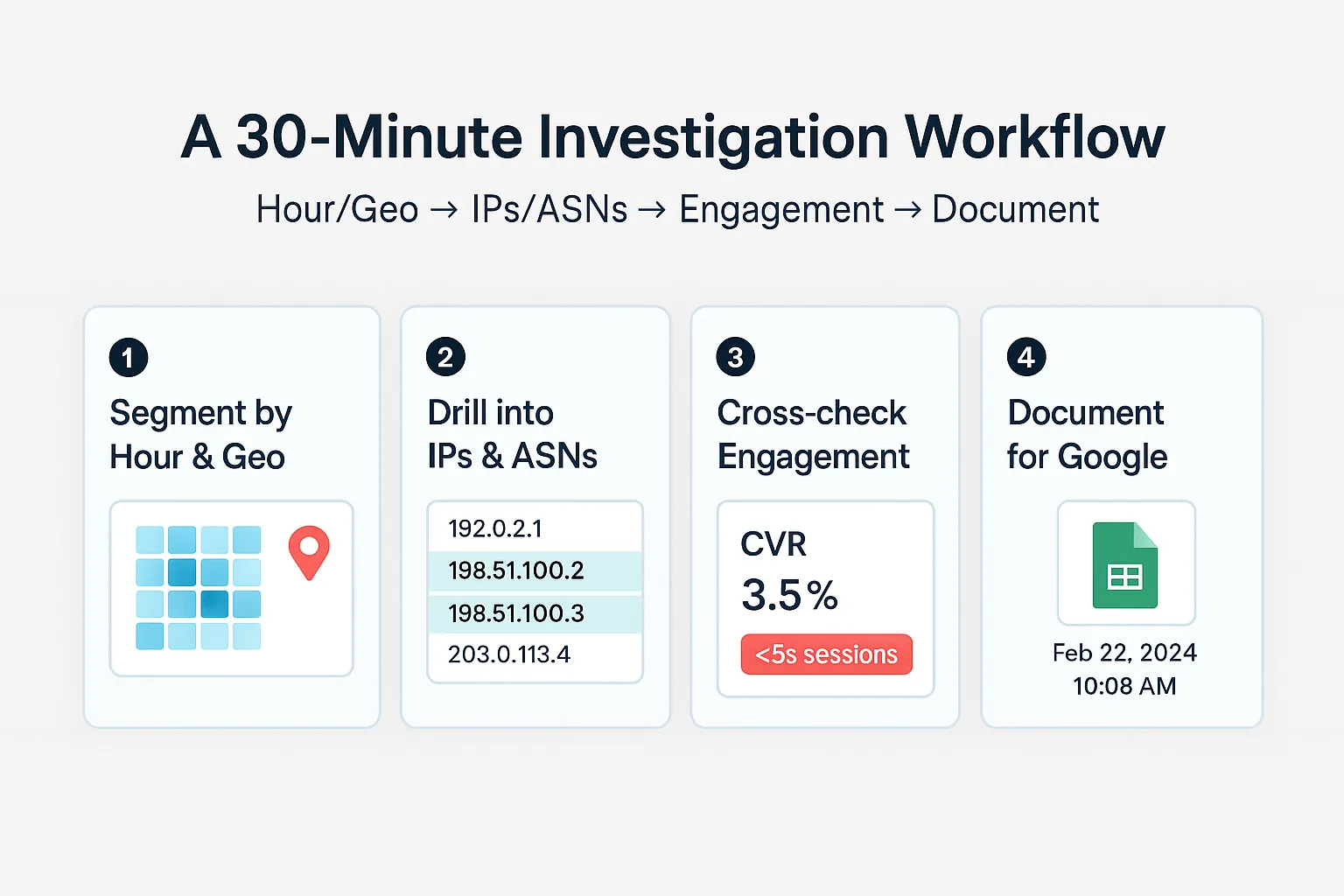
Competitive click fraud is predictable, measurable, and stoppable. Start with a weekly 30‑minute review for anomalies, document evidence, and apply targeted exclusions. Then close the loop with automation so abusers don’t return tomorrow.
If your risk is highest on search and social, Spider AF PPC Protection is the most relevant place to begin; it detects and blocks invalid clicks and poor placements before they drain your budget. If fake sign‑ups are inflating your numbers, add Fake Lead Protection to validate conversions in real time via CRM. If you want continuous control over browser‑side risks, run a SiteScan to harden your tag surface.
According to Spider AF’s 2025 Ad Fraud White Paper, cleaning your traffic not only saves budget, it restores accurate conversion data—the foundation of better bidding and growth.

MFA growth, AI-driven fraud risks, and how top advertisers are protecting their budgets. Free PDF!