False Leads 101 – What They Are, How They Happen, and How to Avoid Them
Click Fraud
Updated:
June 2, 2026
3 min read
False Leads 101 – What They Are, How They Happen, and How to Avoid Them
A plain-English guide to what false leads are, why they happen, and how to stop them.
In this article
Quick take · 30-second version
That flood of leads your campaign just generated? A surprising number might not be real people at all. From bots gaming your forms to competitors posing as customers, false leads are quietly draining your budget — here's how to spot them before they do more damage.
Imagine you’re chasing down a promising business lead, only to discover it’s completely fake. Or maybe your marketing campaign generates a flood of inquiries, but most turn out to be bots or uninterested prospects. These are examples of false leads—misleading or inaccurate information that wastes time, money, and trust.
False leads appear in marketing, sales, and everyday business operations, leading people down the wrong path. They can be accidental (human error) or intentional (fraud, deception, or misinformation). In business, false leads drain advertising budgets, skew analytics, and damage reputations by filling pipelines with non-existent or low-quality prospects.
Marketers waste ad spend on fraudulent or low-quality leads.
Sales teams waste time following up on prospects who never convert.
Everyday consumers get misled, making wrong decisions based on deceptive information.
So, how can you spot, avoid, and prevent false leads? Let’s dive in.
What Is a False (or "Fake") Lead?
Definition and Explanation
A false lead is any misleading or incorrect piece of information that suggests a promising direction but ultimately leads nowhere. It can be intentional (fraud, scams) or unintentional (mistakes, miscommunication).
How Do False Leads Mislead People?
1. Deceptive Marketing and Advertising
Fake leads in digital advertising trick businesses into paying for non-existent customers.
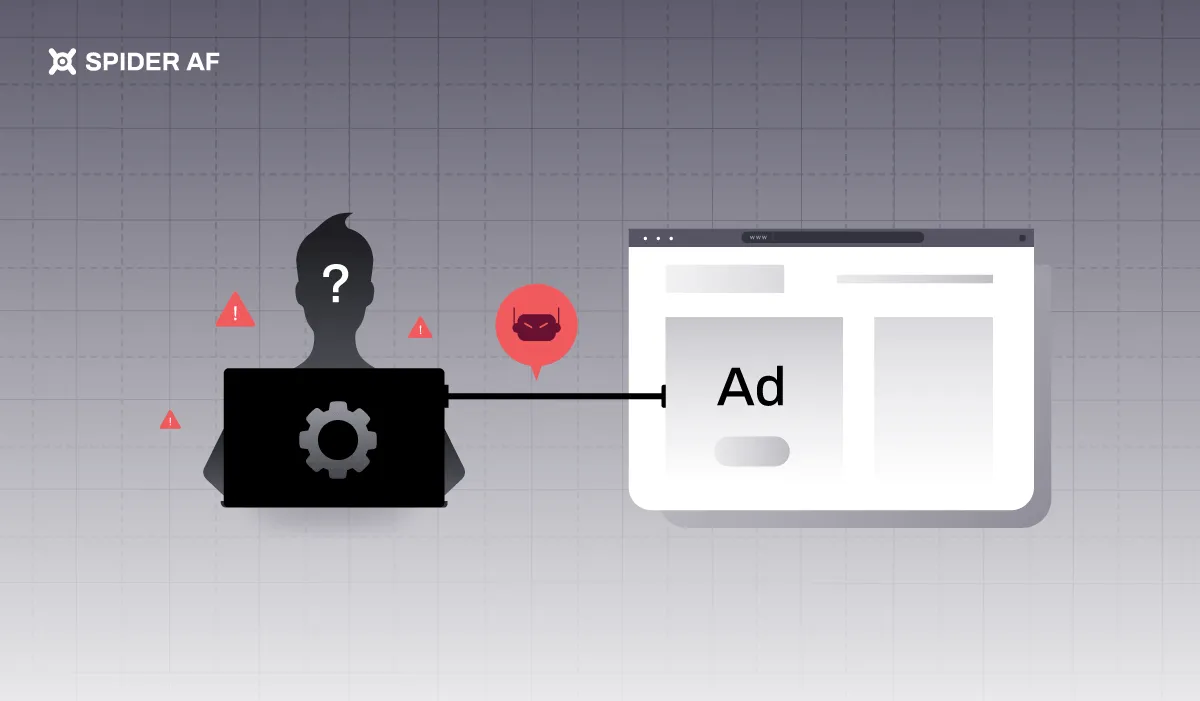
Fraudsters use bots or fake profiles to fill out lead forms.
Example: A business pays for "leads" that are just spam email addresses.
2. Misleading Business Leads
Sales teams waste time on fake prospects who have no intention of buying.
Competitors or scammers might submit fake inquiries to waste resources.
Example: A form submission comes from a competitor posing as a customer.
3. Everyday Misinterpretations
People misinterpret information, leading to wrong decisions in business and daily life.
Example: A company invests in a new product based on incorrect market research.
Common Causes of False Leads
Human Error vs. Intentional Deception
Type
Examples
Human Error
Misheard information, typos, miscommunication
Intentional Deception
Scams, fraud, misleading ads, clickbait
False Leads in Digital Advertising and Lead Generation
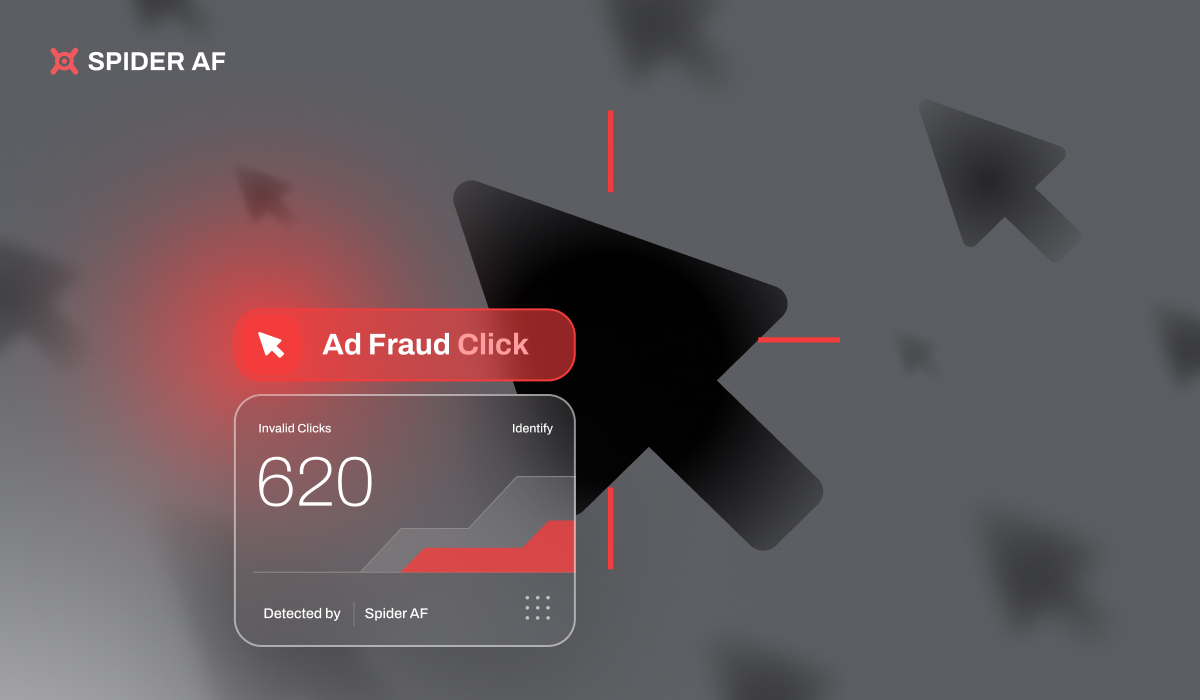
Online ad fraud creates fake customer leads to trick businesses.
Bots and fake users fill out lead forms, wasting ad budgets.
Solution: Use tools like SpiderAF to detect false leads and prevent fraud.
The Impact of False Leads on Businesses and Individuals
1. Wasted Time and Resources
Marketers and sales teams chase dead ends.
Employees waste hours following up on fake leads.
2. Financial and Reputational Damage
Businesses lose money paying for fake leads.
Customers lose trust if companies promote false information.
3. Consequences for Marketing and Advertising Campaigns
Lower ROI: Businesses waste ad spend on non-existent leads.
🔹 They appear in marketing, sales, and everyday business operations.
🔹 Tools like SpiderAF’s Fake Lead Protection help detect and eliminate false leads.
Don't let false leads drain your budget! Protect your business with SpiderAF’s Fake Lead Protection. Try it today to stop fake leads before they cost you time and money. 🚀