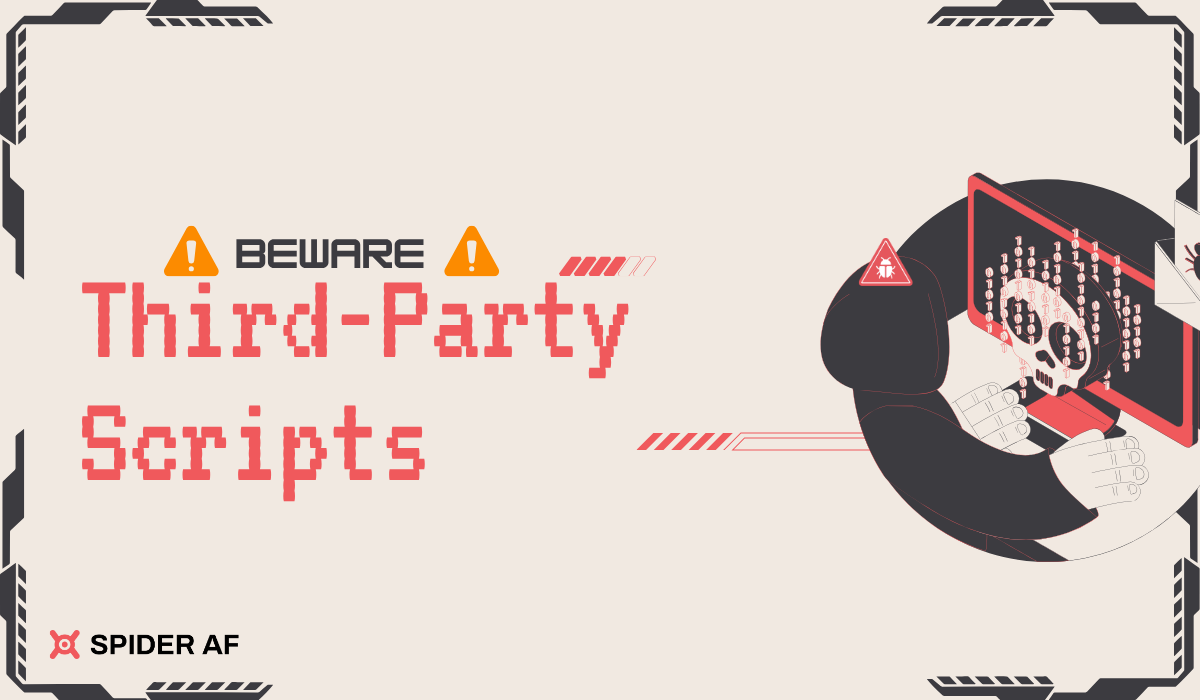
That analytics tag or chatbot widget on your site? It could be your biggest security liability. Third-party scripts run with surprising access to your visitors' data — and attackers know it. Here's what the British Airways breach taught us, and how to lock down your site before you become the next cautionary tale.
Websites today depend heavily on third-party tools. Analytics measure engagement, advertising tags track campaigns, chatbots support visitors, and many other scripts enhance the user experience. These tools also introduce risks that many businesses overlook.
Each third-party script you embed has access to your website, customer data, and potentially sensitive business information. If a script is compromised, outdated, or poorly implemented, the impact can include data breaches, malware infections, degraded site performance, and regulatory violations. Because these scripts often come from trusted vendors, they are rarely audited until a problem arises.
Incidents like the Magecart attacks have shown how malicious or hijacked scripts can cause significant damage to businesses. Even a short-lived breach can result in lost revenue, eroded customer trust, and brand harm.
This article explains what third-party script vulnerabilities are, why they matter to your business, and how to mitigate them. It also outlines how Spider AF can help you monitor and secure your site using its SiteScan (Beta) feature.
Third-party scripts enable key features, improve customer experience, and support marketing goals. They also create security, privacy, and performance risks if left unmanaged.
Third-party scripts are pieces of code from external providers that run on your website, loaded from their servers into your visitors’ browsers. Examples include analytics pixels, ad tags, chat widgets, social media embeds, and personalization tools.
They allow marketers and site owners to implement advanced functionality without significant development resources. However, because these scripts are controlled by outside vendors, they can introduce vulnerabilities into your site.
Businesses rely on third-party scripts to track visitor behavior, measure conversions, support customer interactions, and test content. Tools like Google Analytics, ad platform tags, chatbots, and A/B testing frameworks help improve marketing ROI and user experience. Few websites operate today without them.
Every additional script is a potential attack vector. Because they execute in the user’s browser, compromised scripts can steal data, deliver malware, disrupt performance, or violate privacy laws.
Even reputable vendors can be compromised, and many businesses fail to audit scripts regularly, allowing problems to persist unnoticed.
These vulnerabilities are not hypothetical. Major businesses have suffered breaches through third-party code.
These incidents demonstrate the real business costs of neglecting script security, including customer churn, regulatory penalties, and expensive remediation.
You can reduce risk while keeping the tools your business needs by following a few key practices.
Maintain an up-to-date inventory of all third-party scripts on your site. Regularly review and remove unnecessary or untrusted scripts, and monitor remaining ones for suspicious behavior.
Use browser security features like Content Security Policy (CSP), Subresource Integrity (SRI), and sandboxing to limit the impact of compromised scripts. Work with your technical team to configure these properly.
When choosing new vendors, ask about their security practices and how they protect hosted scripts. Ensure teams responsible for marketing and IT understand the risks and share accountability for mitigation.
Managing third-party script security is complex. Spider AF provides tools to help you identify and respond to risks.
Spider AF SiteScan scans your website for unauthorized script changes, hidden data collection, and malicious code injections. By detecting issues early, you can take action before they harm your visitors or your brand.
Spider AF also blocks fraudulent traffic and fake impressions that reduce campaign ROI.
Spider AF’s solutions include Fake Lead Protection and Affiliate Protection, which reduce form spam and affiliate fraud. Together, these tools protect your campaigns, data, and reputation.
Start by trying Spider AF SiteScan (Beta) to assess and secure your website:
https://spideraf.com/spider-sitescan-beta
Protect your customers, your data, and your marketing investments by addressing third-party script vulnerabilities today.

MFA growth, AI-driven fraud risks, and how top advertisers are protecting their budgets. Free PDF!